 15400 Oakwood Drive, Romulus MI 48174
 734-857-1633

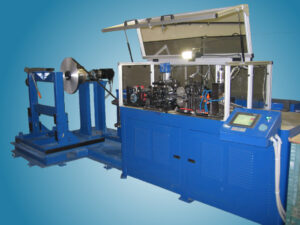
Roll form fin mills are built for precision and production. In heat exchanger manufacturing, they may operate for long periods while producing fins that need to meet specific requirements for height, density, shape, and overall consistency. When a fin mill is performing correctly, production can move efficiently. When components begin to wear or tooling falls out of condition, small problems can quickly turn into scrap, downtime, or inconsistent fin quality.
That is why roll form fin mill maintenance should be considered an important part of the manufacturing process rather than something that only happens after a machine stops working.
A preventive approach gives manufacturers an opportunity to identify developing problems, protect tooling, and keep their roll form fin mills producing reliably.
Why Preventive Fin Mill Maintenance Matters
A fin mill contains numerous components working together at production speed. Tooling must remain properly positioned, material must travel through the machine correctly, and mechanical components must continue operating within acceptable conditions.
Over time, normal production can result in wear. Waiting until a machine experiences a major problem can lead to longer periods of downtime and potentially more extensive repairs. Routine inspections can help maintenance and production teams recognize changes before they become larger issues.
Preventive maintenance can also help manufacturers:
- Maintain more consistent fin production
- Reduce unexpected equipment downtime
- Identify worn components earlier
- Protect expensive roll form tooling
- Reduce unnecessary scrap and rework
- Improve the useful life of existing equipment
- Plan maintenance around production schedules instead of reacting to breakdowns
The exact maintenance schedule will depend on the machine, tooling, material, operating speed, production hours, and application. However, there are several areas manufacturers should regularly monitor.
Pay Attention to Changes in Fin Quality
One of the most useful indicators of fin mill performance is the product coming out of the machine.
If a mill has been producing a consistent fin and operators suddenly need to make frequent adjustments, something may have changed within the process.
Watch for changes involving fin height, density, cutoff consistency, shape, or overall appearance. Increasing amounts of scrap can also indicate that an underlying equipment or tooling issue needs attention.
Instead of continuously adjusting the machine to compensate, determine why the process has changed.
Tracking fin measurements over time can make this easier. Establishing a baseline for a properly running application gives operators something to compare against when production quality begins to drift.
Keep Form Roll Tooling Clean and Sharp
Form roll tooling is one of the most important components in the fin manufacturing process. Its condition directly affects the fin being produced.
Contamination, buildup, damage, or normal wear can gradually affect tooling performance. Keeping tooling clean and inspecting it regularly can help maintain the characteristics required by the application.
Livernois Engineering provides cleaning and restacking services for form roll tooling. Tool output can also be measured to evaluate wear and setup characteristics.
Tooling maintenance should not be viewed separately from machine maintenance. Even a well-maintained fin mill cannot consistently produce the desired product when critical tooling is worn or improperly set up.
Inspect Bearings, Shafts, and Mechanical Components
Bearings, shafts, and other moving components experience continuous use during production.
Operators and maintenance personnel should pay attention to developing signs such as unusual vibration, excessive noise, movement, or changes in operating characteristics. These symptoms should not automatically be considered normal simply because a machine has been in service for many years.
Catching wear early may allow components to be serviced or replaced during planned maintenance instead of after a failure.
This is particularly important for older machines. A properly maintained older fin mill may still have many productive years remaining. Livernois also provides fin mill rebuild services when normal maintenance is no longer enough to restore the performance required from existing equipment.
Check Material Feeding and Alignment
Problems do not always originate with the form roll itself.
The way strip material enters and travels through a fin mill can have a major impact on production. Coil handling, feeding, guides, headstands, and other supporting components should be checked as part of a complete maintenance program.
Misalignment or inconsistent material movement can contribute to quality problems and place unnecessary stress on tooling.
If operators continually need to reposition material or make adjustments during a production run, investigate the reason rather than treating repeated adjustments as a normal operating procedure.
Inspect Density and Cutoff Tooling
Form rolls may receive much of the attention, but the tooling that follows them is also important.
Density tooling helps establish and maintain the required fin density, while cutoff equipment needs to consistently produce the required finished length without unnecessarily damaging or distorting the fin.
These components should be inspected for wear, contamination, improper setup, and other conditions that could affect production.
Looking at the complete forming process can help prevent maintenance teams from concentrating on a single component while overlooking another part of the machine that is contributing to a production issue.
Monitor Controls and Electrical Systems
Modern fin mills can include servo controls and other technologies that provide precise control over the manufacturing process. Older machines may also have been upgraded during their service life.
Mechanical maintenance should therefore be accompanied by attention to electrical and control systems.
Recurring alarms, intermittent faults, inconsistent motion, or control problems deserve investigation. Keeping a record of recurring issues can help determine whether an isolated fault is beginning to develop into a pattern.
For older equipment, modern controls may also be an option when a larger rebuild or upgrade becomes necessary.
Create a Maintenance History for the Fin Mill
Documentation can make preventive maintenance much more effective.
Rather than relying entirely on operator memory, manufacturers can keep records of inspections, repairs, tooling service, component replacement, production issues, and recurring adjustments.
A maintenance history helps reveal patterns.
For example, if the same component repeatedly needs attention or fin quality begins changing after a predictable amount of production, maintenance can potentially be scheduled before the problem occurs again.
Documentation also gives engineering and service teams more information when troubleshooting a difficult production problem.
Know When Maintenance Is No Longer Enough
Preventive maintenance can extend equipment life, but eventually a machine may require more extensive attention.
Frequent breakdowns, increasing component wear, obsolete controls, difficulty maintaining specifications, or repeated production interruptions can indicate that it is time to evaluate a larger repair or rebuild.
That does not necessarily mean an older fin mill needs to be replaced.
Livernois Engineering has produced roll-forming equipment for decades, and many older machines can be rebuilt with replacement wear components and updated controls. Evaluating the condition of the existing machine can help determine whether continued maintenance, a targeted repair, an upgrade, or a complete rebuild makes the most sense.
Keep Your Roll Form Fin Mill Ready for Production
The best time to address a fin mill problem is often before it causes the production line to stop.
Consistent inspections, tooling maintenance, accurate production measurements, and good maintenance records can make it easier to recognize changes in machine performance. A proactive maintenance strategy can help manufacturers protect their equipment investment while continuing to produce the precise fins required for modern heat exchanger applications.
Livernois Engineering has been developing fin manufacturing equipment since 1949 and continues to support both modern and legacy heat exchanger manufacturing systems. Whether you need tooling maintenance, replacement components, troubleshooting assistance, or a complete machine rebuild, our engineering and service teams can help evaluate your application.
Visit our Parts and Service department or contact Livernois Engineering to discuss your roll form fin mill maintenance and service requirements.
 734-857-1633